
AstraNovel’s editorial perspective is designed to help you recognize the reading experience before you commit to it.
A closed setting turns every detail into evidence
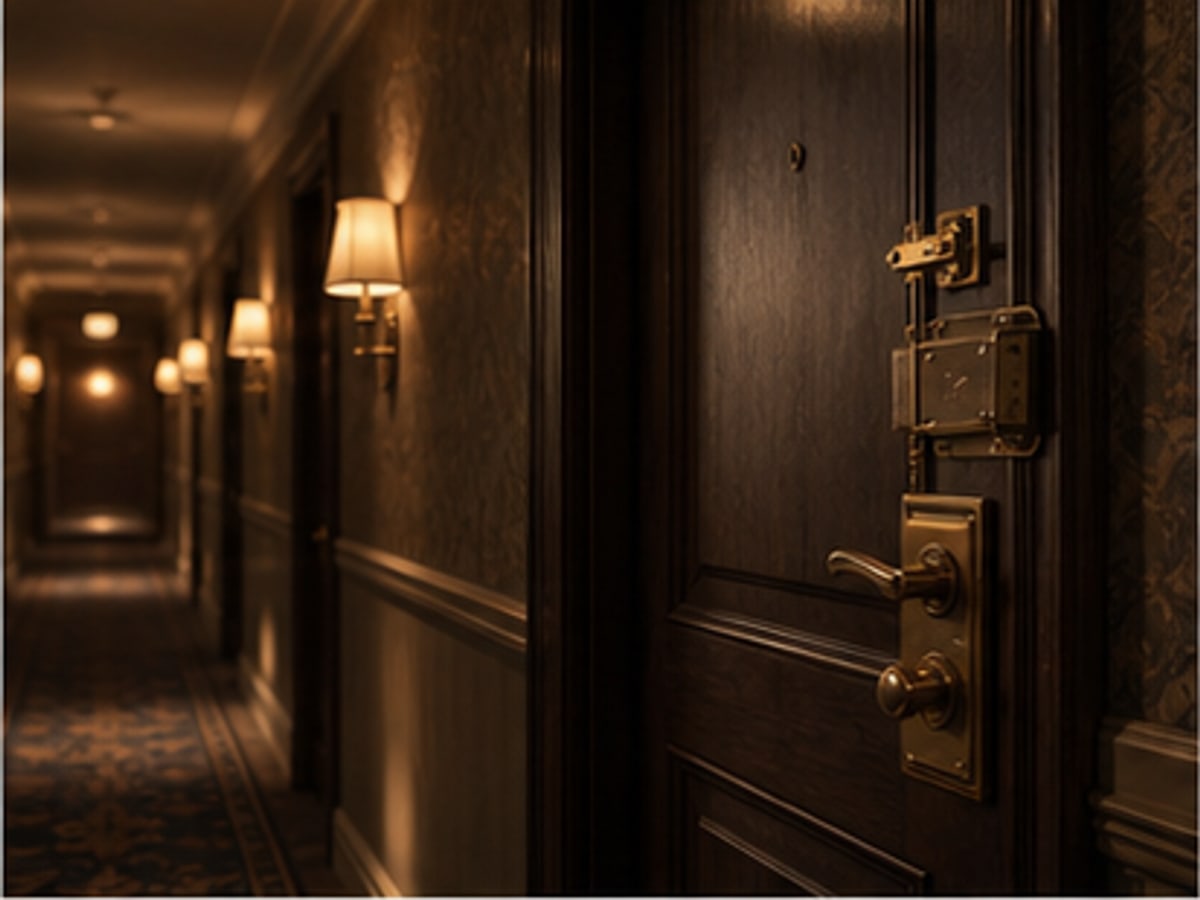
Locked-room and closed-location romance works because the story limits escape. A room number, hotel corridor, old house, safe room, hospital wing, or storm-trapped building can make small details feel charged. Every sound, object, and silence might matter.
The setting should do more than trap two characters together. It should reveal what they notice, what they hide, and whether trust can grow while the facts remain incomplete.
Mystery needs an emotional question
A clue chain can move the plot, but readers stay for the emotional question underneath it. Who is lying to survive? Who is protecting someone? Who wants the truth and who fears what the truth will cost?
Romance becomes stronger when attraction complicates judgment. The reader should feel the tension between wanting answers and wanting to believe the person standing inside the same dangerous space.
- The location creates pressure that could not happen anywhere else.
- The mystery changes how the characters read each other.
- The romance develops through evidence, restraint, and risk.
- The final reveal affects the relationship, not only the plot.
Proximity should expose patterns
Closed settings make habits visible. Who checks the door first? Who remembers a detail? Who panics quietly? Who shares information even when it weakens their position? These behaviors can create intimacy faster than ordinary conversation.
That is why the best mystery romance does not rely only on danger. It uses danger to make character legible.
Choose this mood when you want tension with answers
Locked-room mystery romance fits readers who want suspense, contained pressure, and a romance that earns trust through observation. The ending works when the truth explains both the danger and the bond.