
AstraNovel’s editorial perspective is designed to help you recognize the reading experience before you commit to it.
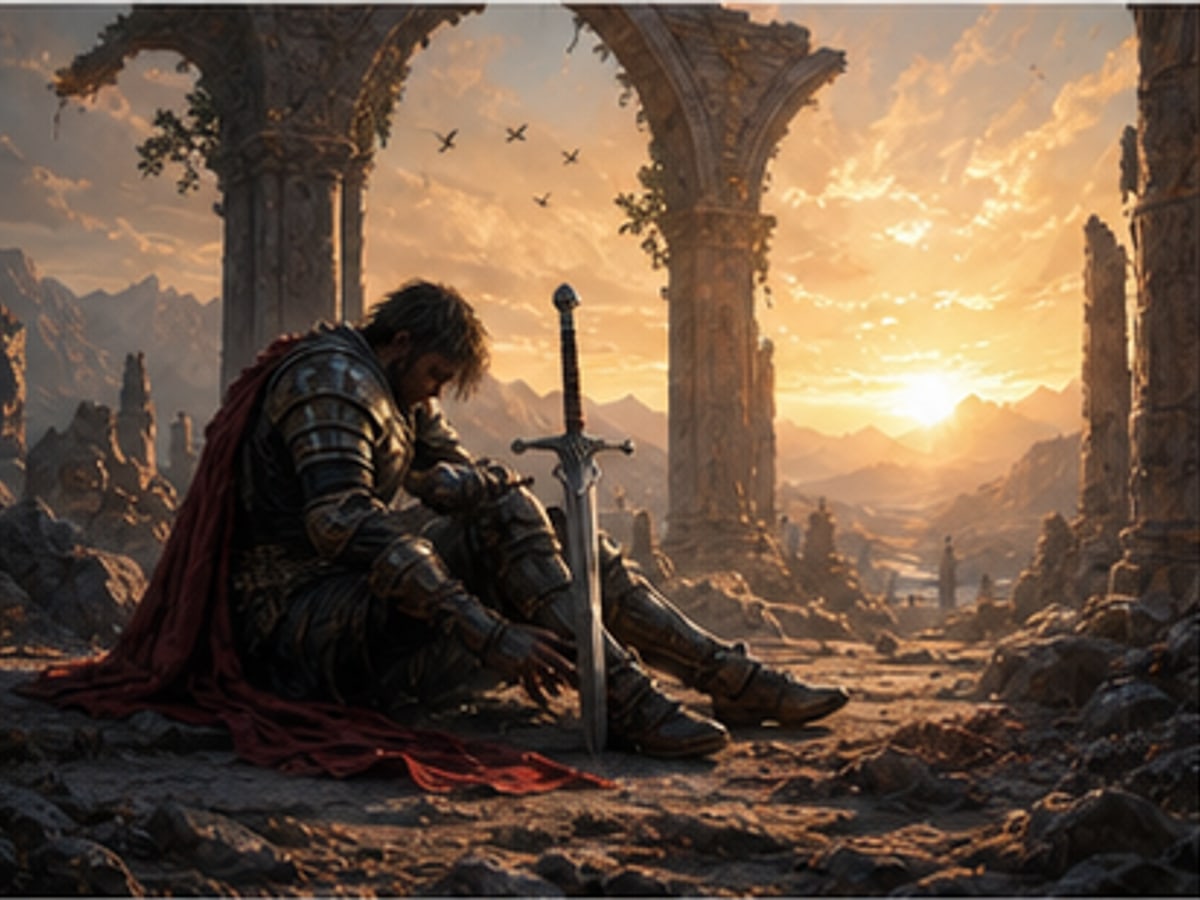
A fallen hero is interesting because the fall changed him
Fallen hero romance begins after a loss of honor, power, faith, memory, rank, or self-control. The character may be feared, cursed, exiled, guilty, or simply tired of being expected to save everyone.
The arc becomes compelling when the story shows what the fall damaged. Without that clarity, redemption can feel like a label rather than a journey.
Redemption requires more than being loved
Love can open a door, but it should not do all the work. A fallen hero needs evidence of change: restraint under pressure, truth where he once hid, protection without control, and repair that costs something.
The partner should not become a reward for pain endured. The romance works when both characters can see the damage and still choose a future built on different behavior.
- The story names what the hero did, lost, or failed to protect.
- He changes behavior before demanding trust.
- The love interest keeps boundaries during the redemption arc.
- The ending gives him responsibility, not just comfort.
Dark pasts need present choices
A tragic backstory can explain why a hero is guarded, dangerous, or self-punishing. It cannot excuse every present harm. Readers need to see the difference between pain that deserves compassion and behavior that still needs accountability.
That distinction makes the final tenderness stronger. The hero is not redeemed because he suffered. He is redeemed because he learns what to do with suffering.
Choose this arc when you want repair, not rescue
Fallen hero redemption romance fits readers who want damage, restraint, and earned hope. The payoff lands when love does not erase the fall, but proves the character can rise differently.